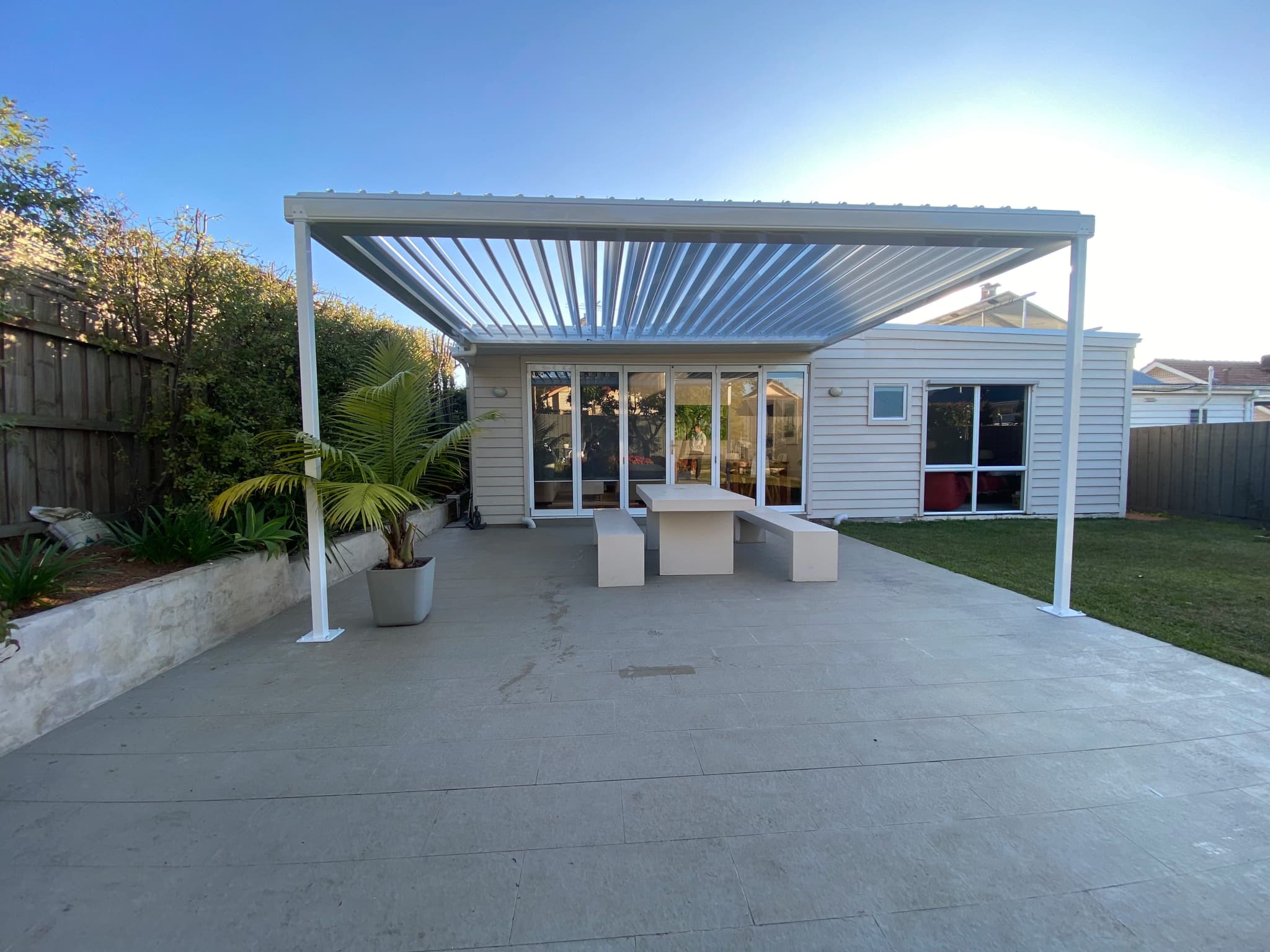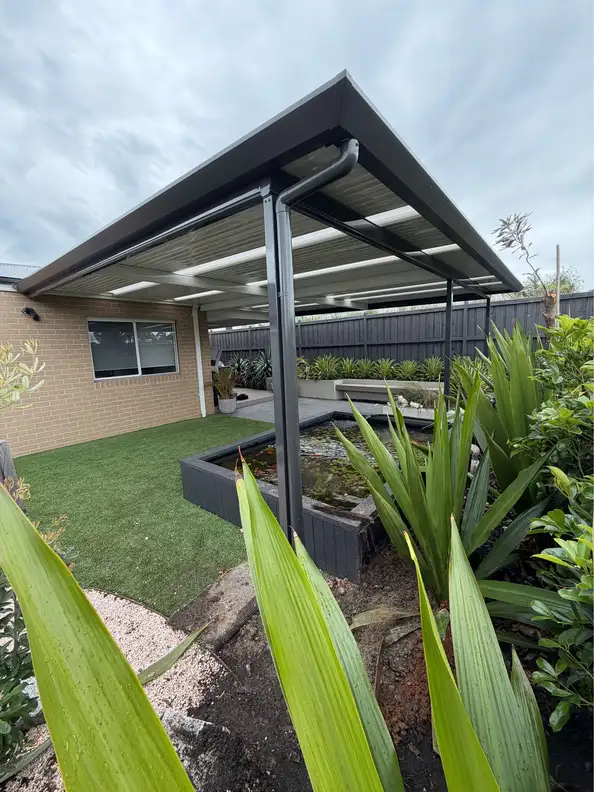
The Big Question: Motor or Manual?
When clients come to me wanting a louvre roof system, one of the first questions they ask is: "Should I go motorised or manual?" It's a fair question-motorised systems cost significantly more, so is the convenience worth it?
After installing hundreds of louvre systems across Melbourne, I've seen both options work brilliantly in different situations. Let me share what I've learned. For a broader look at how louvre roofs work and what they cost, see our complete louvre roof systems guide.
Understanding the Difference
#
Manual Louvre Systems
Manual systems use a hand-crank mechanism, similar to old-style window winders. You turn the handle, and a series of gears rotates all the louvre blades simultaneously. It typically takes 30-60 seconds to fully open or close the roof.
The mechanism is usually located on one of the support posts, within easy reach. Some premium manual systems use a lighter-touch gearbox that requires less effort.
#
Motorised Louvre Systems
Motorised systems use an electric motor (usually mounted inside the frame) to rotate the blades. You control them via:
- Wall-mounted switch: Simple up/down/stop buttons
- Remote control: Operate from anywhere in the area
- Smartphone app: Some systems integrate with home automation
- Rain sensor: Automatically closes when it detects moisture
The Real Cost Difference
Let's talk numbers. For a typical 4m x 5m louvre pergola:
| Option | Approximate Cost |
| Manual system | $28,000 - $35,000 |
| Motorised system | $32,000 - $42,000 |
| Difference | $4,000 - $7,000 |
- Electric motor and control unit
- Rain sensor (usually included with motorised)
- Electrical wiring and connection
- Remote controls (typically 2-3 included)
When Manual Makes Sense
#
1. Secondary Outdoor Areas
If this is a garden pergola or secondary entertaining space you'll use occasionally, manual is perfectly practical. You're not adjusting it multiple times a day.
Example: A client in Kew built a louvre-covered garden retreat at the back of their property. They visit it a few times a week for morning coffee. Manual operation is fine—it takes a minute to adjust when they arrive.
#
2. Budget-Conscious Projects
When the budget is tight but you want the louvre experience, manual lets you get the adjustable roof benefits without stretching finances.
Example: Young homeowners in Bentleigh wanted a louvre pergola but had already spent heavily on their renovation. Manual saved them $5,000 they could put toward landscaping.
#
3. Areas Without Easy Power Access
If your louvre structure is far from the house or power source, running electrical cables can add significant cost. Manual avoids this entirely.
Example: A weekender in the Mornington Peninsula wanted a freestanding louvre pavilion 15 metres from the house. Running underground power would have cost $3,000+ before the motor itself. Manual was the sensible choice.
#
4. "Set and Forget" Situations
Some clients position their louvres in one setting and rarely change them. If you just want them angled for permanent shade, manual is enough.
When Motorised Is Worth It
#
1. Primary Entertaining Spaces
If this is your main outdoor living area—where you'll host barbecues, family dinners, and weekend relaxation—motorised transforms the experience. You'll adjust the roof far more often than you think.
Example: A Brighton family uses their louvre-covered alfresco daily. In summer, they open fully for morning sun, angle mid-afternoon, and close for evening meals if there's a breeze. They estimate they adjust the roof 3-4 times a day in peak season. Manual would be tedious.
#
2. Melbourne's Unpredictable Weather
We all know Melbourne's "four seasons in a day" reputation. Motorised systems with rain sensors mean you never have to worry about leaving cushions out or having furniture soaked.
Example: A Malvern couple kept forgetting to close their manual louvres before going to bed. After rain twice soaked their outdoor lounge, they upgraded to motorised with rain sensors. Now the roof closes automatically within seconds of detecting rain.
#
3. Accessibility Requirements
For anyone with mobility issues, arthritis, or simply preferring convenience, motorised is the clear winner. No reaching for cranks or physical effort required.
#
4. Integration with Outdoor Kitchens
If you're building a serious outdoor kitchen with the louvre roof above, motorised makes sense. You're already running power for appliances, lighting, and potentially heating. Adding the motor is a small incremental cost. See our guide on planning an outdoor kitchen under your pergola for more on this setup.
#
5. Smart Home Integration
Modern motorised systems can connect to home automation platforms. Imagine setting your louvres to automatically open at sunrise or close when you arm your security system.
Real Feedback from Clients
Here's what clients have told me after living with their systems:
#
Manual Owners Say:
> "It's fine for us. We open it up on weekends and leave it. Takes 30 seconds, no big deal." — Glen Iris> "I actually enjoy the manual crank. There's something satisfying about it, and one less thing to go wrong." — Camberwell
> "Wish we'd gone motorised. We use the space more than we expected, and winding it several times a day gets old." — Richmond
#
Motorised Owners Say:
> "Best money we spent. Use it every single day, multiple times. Can't imagine hand-cranking it." — Brighton> "The rain sensor is the hero. We've had zero incidents of rain getting through because it just closes automatically." — Hawthorn
> "Love that I can open it from bed in the morning without going outside." — South Yarra
My Professional Recommendation
After installing both types for many years, here's my honest advice:
Go motorised if:
- It's your primary outdoor living space
- You'll use it frequently (more than 3x per week)
- Budget allows the extra investment
- You value convenience and automation
- Melbourne weather unpredictability concerns you
- It's a secondary or occasional-use space
- Budget is the priority
- Power access is problematic
- You prefer simplicity with fewer components
- You'll typically set it and leave it
The Upgrade Question
Can you upgrade from manual to motorised later? Technically yes, but it's not straightforward. The motor mechanism is different from the manual gearbox, so it's not a simple swap. Budget an additional $5,000-8,000 for a retrospective motorisation, including electrical work.
My advice: if you're even considering motorised, do it from the start. It's significantly cheaper to install during construction than retrofitting later.
Making Your Decision
The right choice depends entirely on how you'll use the space. Be honest with yourself about your lifestyle:
- Will you actually adjust the roof frequently, or set-and-forget?
- How bothered are you by Melbourne's sudden weather changes?
- Is this a "forever home" investment or shorter-term?
- What's your realistic budget?
Ready to Discuss Your Options?
I'm happy to visit your property, understand how you'll use the space, and recommend whether manual or motorised makes more sense for your situation. No pressure, just honest advice from someone who's seen hundreds of these installations.
Browse our louvred pergola projects or book a free design session and let's find the right louvre solution for you.